
A life outside
Hope Bourne on Exmoor
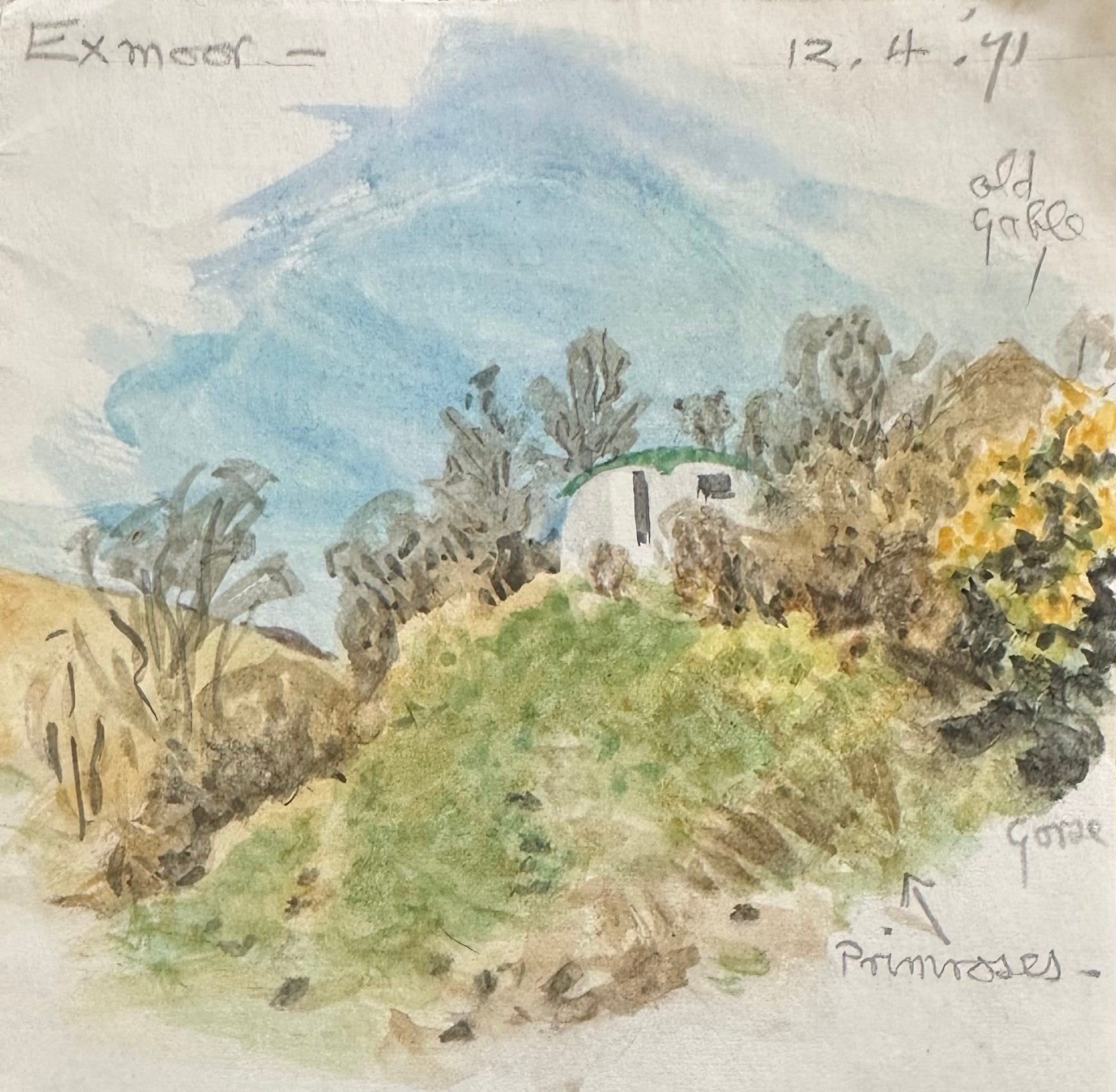
‘… dusk folds about the earth. There is no sound now but the murmur of the distant streams and the occasional movement of sheep on the frosty grass. The stars are legion, looking down like eyes of light, and Orion’s belt is girded above the trees. I am reluctant to go home and shut out the night. How many people see the stars as I do? Not many in this modern world, I think. We have bartered our heritage for too many other things. Our small lives are hemmed about with fetters of our own making and our souls caught in a web of our own weaving. Who shall set us free?’
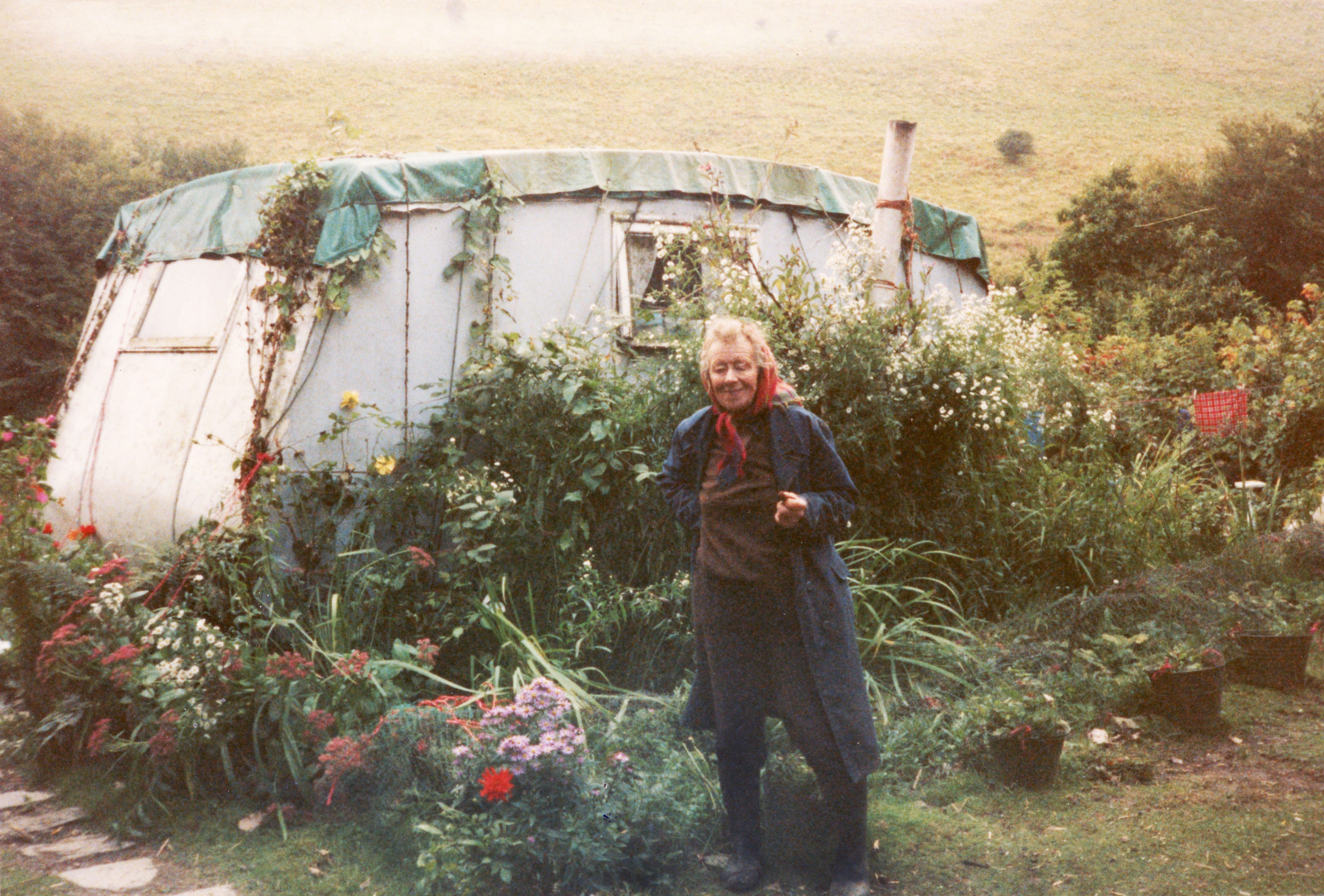
When Hope Bourne wrote those words she was living in a tiny caravan parked in a field on a remote farm. She was in her early 40s, jobless, penniless, without a partner or family. Yet her life was just beginning - she had found Exmoor and was in the process of becoming a writer.
She went on to create an extraordinary body of work. It’s been somewhat neglected over the last 30 years – while other women writers have been rediscovered and re-evaluated, she has been unjustly overlooked.
Bourne was one of the foremost nature writers of the 20th century. She’s more than capable of standing shoulder-to-shoulder with the Scottish writer Nan Shepherd, author of The Living Mountain, and the many male writers whose work has long been critically acclaimed.
Her writing stands on its own merits for its patient, close attention to the living world around her, and for fusing word and image through her art practice.
Then there is her unusual life, which I see as part of her creative work, a way of inhabiting her subject. Hers was literally a life outside, led largely outdoors and counter to social convention.
Aspects of her life speak to us now with renewed resonance – especially her rejection of materialism, her ecological awareness and her relationship with the landscape, a relationship largely unmediated by machine technology.
Over the summer I’ve co-curated an exhibition about Bourne’s work and life, which is now open at the Somerset Rural Life Museum in Glastonbury until 10 January 2026. The show is a collaboration with my co-curator Kate Best and the team at the South West Heritage Trust.
We have tried not to idealise Bourne, or romanticise her often hard life. Our intention is to celebrate her fierce independence and show her work in a context that recognises her achievement and sees how serious and radical it was. Perhaps the show is a landmark not just for Hope Bourne but also for women creatives who have a certain type of quiet, nonconformist, land-based practice that might have been dismissed in the past as merely “eccentric”.
I’m taking the same approach in my forthcoming book about Bourne, which is being published by The Exmoor Society in a year’s time. If you would like to keep informed about the book, you can sign up for further info on The Exmoor Society’s website here.